
Introduction: Understanding Clinical Trial Regulations in India
When the CLINEXEL team attends international conferences, we receive a lot of queries from Clinical Trial Leaders, particularly from emerging biotech companies, regarding the clinical trial environment in India, regulatory timelines, approval processes, operational challenges, and key strategic considerations. This article provides an overview of the evolving regulatory landscape for clinical trials in India, including recent regulatory updates, common challenges, and practical strategies for global sponsors navigating the Indian market.
Why India Matters in Global Clinical Trials
India has become an increasingly important destination for global clinical trials. Its large and diverse patient population, improving research infrastructure, and cost efficiencies make it attractive for multinational pharmaceutical companies and emerging biotech sponsors alike. However, successful clinical trial execution depends heavily on understanding and navigating clinical trial regulations in India.
Dr. Mukesh Kumar, CSO at CLINEXEL, states, “Understanding the regulatory framework is not simply a compliance requirement, it is a strategic necessity. Delays in approvals, incomplete documentation, or misalignment with local requirements can significantly impact timelines and costs. Conversely, a well-planned regulatory strategy can enable faster study initiation and smoother execution.”
The regulatory ecosystem in India is governed primarily by the Central Drugs Standard Control Organization (CDSCO), operating under the Ministry of Health and Family Welfare. Over the past decade, India has introduced multiple reforms aimed at improving transparency, timelines, and patient safety while aligning more closely with international standards such as ICH GCP.

Overview of Clinical Trial Regulations in India
Clinical trials in India are regulated under the New Drugs and Clinical Trials Rules, 2019 (NDCT Rules), which provide a comprehensive framework for approval, conduct, and oversight of clinical studies.
The CDSCO is the national regulatory authority responsible for:
- Approval of clinical trial applications
- Oversight of investigational new drugs
- Ensuring compliance with regulatory requirements
- Monitoring safety and ethical conduct
The Drugs Controller General of India (DCGI), functioning under CDSCO, is the key decision-making authority for granting clinical trial approvals.
In addition to CDSCO approval, Ethics Committee approval is mandatory for each participating site. Ethics Committees must be registered with CDSCO and are responsible for safeguarding the rights, safety, and well-being of trial participants.
Clinical Trial Approval Process in India
1. Clinical Trial Application (CTA) Submission
Sponsors must submit a Clinical Trial Application (CTA) to CDSCO through the SUGAM online portal. The application typically includes:
- Clinical trial protocol
- Investigator’s brochure
- Chemistry, manufacturing, and controls (CMC) information
- Preclinical and clinical data
- Informed consent documents
- Ethics Committee approvals or plans
The quality and completeness of the submission are critical to avoiding regulatory queries and delays.
2. Regulatory Review and CDSCO Approval
CDSCO reviews the application for scientific validity, safety considerations, and compliance with Indian regulatory requirements. Subject Expert Committees (SECs) may also evaluate therapeutic area-specific submissions.
Dr. Deepa Arora, CEO at CLINEXEL, states, “Timelines for approval have improved in recent years, particularly for drugs already approved in other major markets. However, queries from CDSCO are common and must be anticipated beforehand and addressed promptly.”
3. Ethics Committee Approval in India
In India, Ethics Committees generally review the trial in parallel with CDSCO review. However, final Ethics Committee approval is obtained after CDSCO submission.
Institutional Ethics Committees or Independent Ethics Committees evaluate:
- Patient safety and risk–benefit balance
- Informed consent process
- Investigator qualifications
- Site capabilities
Approval from each Ethics Committee is mandatory before initiating the trial at that site.
4. Site Initiation and Trial Start-Up
Once CDSCO and Ethics Committee approvals are obtained, sites can be initiated. This includes:
- Investigator training
- Site readiness assessments
- Study material distribution
At CLINEXEL, regulatory, clinical operations, clinical data management (CDM), and medical/safety teams collaborate closely with project teams during this phase to ensure operational readiness and regulatory compliance.
Key Regulatory Considerations for Global Sponsors
Alignment with Global Standards
India’s regulatory framework is increasingly aligned with international standards such as ICH GCP. This alignment ensures that data generated in India can support global regulatory submissions.
However, sponsors must ensure that protocols and documentation meet both global and local regulatory expectations.
Dr. Deepa Arora further adds, “Minor differences in expectations can lead to significant delays if not anticipated and scientifically addressed during SEC meetings.”
Informed Consent and Patient Protection
India places strong emphasis on patient safety and informed consent. Medical writing teams at CLINEXEL adapt Master Informed Consent Forms (ICFs) to ensure they are:
- Clearly understandable
- Properly translated into local languages
- Appropriately documented
Additional requirements, such as audio-visual recording of consent in certain situations, may also apply.
Compensation rules for trial-related injury or death are clearly defined and must be strictly followed.
Import and Export of Investigational Products
Clinical trials involving investigational products manufactured outside India require import licenses. Proper labeling, documentation, and compliance with Good Manufacturing Practice (GMP) standards are essential.
Delays in import/export processes can directly impact study timelines, making early planning critical.
Safety Reporting and Pharmacovigilance
Sponsors must report serious adverse events (SAEs) within specified timelines to CDSCO, Ethics Committees, and investigators.
India’s pharmacovigilance requirements include:
- Timely SAE reporting
- Causality assessment
- Compensation evaluation
Failure to comply with these requirements can result in regulatory action.
Operational Realities and Regulatory Impact
While the Indian regulatory framework provides structure, operational execution remains critical to trial success. Variability in site experience, documentation quality, and institutional processes can influence approval timelines and study performance.
Working with experienced local CROs such as CLINEXEL can significantly improve efficiency by supporting:
- High-quality submissions
- Regulatory interactions
- Ethics Committee coordination
- Ongoing compliance management
Collaborative networks like AICROS further strengthen global coordination by combining local expertise with international quality standards.
Common Challenges in India’s Regulatory Pathway
Despite significant improvements, sponsors may still face challenges such as:
- Regulatory queries and delays
- Variability across Ethics Committees
- Differences in standards of care
- Additional scrutiny in global submissions
Proactive planning and local expertise are essential to managing these challenges effectively.
Best Practices for Navigating Clinical Trial Regulations in India
A structured and proactive strategy is essential for successful clinical trial execution in India.
Key best practices include:
- Early regulatory planning
- High-quality documentation
- Parallel processing of approvals
- Continuous communication with authorities
- Selection of experienced CROs and clinical trial sites
These measures help accelerate approvals and improve operational efficiency.
India’s Role in Global Clinical Development
India contributes strategically to global clinical development through:
- Faster patient recruitment
- Cost efficiencies
- Data diversity
- Experienced investigator networks
However, India is generally positioned as a supporting region rather than the primary regulatory driver in global trials.
Data generated in India is evaluated for consistency across populations in alignment with frameworks such as ICH E17.
Conclusion: Turning Regulatory Complexity into Opportunity
Navigating clinical trial regulations in India requires careful planning, local expertise, and a strong understanding of evolving regulatory expectations. While the process may appear complex, India now offers a more structured and globally aligned regulatory environment.
For sponsors willing to invest in the right strategy and partnerships, India provides substantial opportunities. By working with experienced organizations such as CLINEXEL and leveraging collaborative networks like AICROS, sponsors can transform regulatory complexity into a strategic advantage.
In today’s competitive clinical development environment, mastering clinical trial regulations in India is not just about compliance — it is about enabling faster, more efficient, and globally relevant clinical trials.
Frequently Asked Questions (FAQs)
Who regulates clinical trials in India?
Clinical trials in India are regulated by the CDSCO under the Ministry of Health and Family Welfare.
What approval is required to start a clinical trial in India?
Sponsors must obtain approval from CDSCO and the relevant Ethics Committees before initiating a clinical trial.
Are Indian clinical trial data acceptable globally?
Yes, clinical trial data generated in India are globally acceptable if conducted in compliance with ICH GCP and aligned with international guidelines such as ICH E17.
What are common challenges in India’s regulatory process?
Common challenges include regulatory queries, variability across Ethics Committees, and differences in standards of care.
How can sponsors speed up approvals in India?
Sponsors can accelerate approvals through high-quality submissions, early planning, and collaboration with experienced local partners such as CLINEXEL.
Authors:

Dr. Deepa Arora- CEO- CLINEXEL (https://www.linkedin.com/in/deepaarora2019/)
Dr Deepa is a physician with 25+ years of industry experience in leadership positions with pharma in Clinical Development, Medical Research, and Drug Safety departments.
Dr. Deepa led an industry consortium for the implementation of additional risk minimization measures in Europe. Her experience includes the development and execution of clinical development strategy and conducting clinical trials for NCEs, biosimilars, vaccines, complex generics, and repurposed drugs.
Deepa has experience in interacting with various regulators- USFDA, EMA, MHRA, MEB, Health Canada, WHO, TGA for scientific advice, pre-IND meetings, end of phase meetings to discuss clinical development path, clinical trial designs, and post-marketing commitments, including PMS/ Phase IV studies and paediatric investigation plan (PIP).
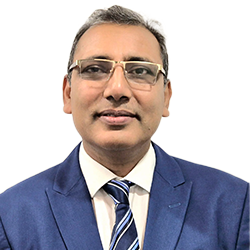
Dr. Mukesh Kumar– Chief Scientific Officer- CLINEXEL (https://www.linkedin.com/in/dr-mukesh-kumar-m-d-6223457/)
A Physician (MD) with over 25 years of deep expertise in clinical R&D, Dr Kumar’s career is a testament to innovation and excellence in clinical trials, clinical pharmacology, translational research, biopharmaceutics, and clinical development. His contributions have driven global product registrations across regulatory landscapes, including the USFDA, EMA, India, PMDA, and ROW regions.
Dr. Kumar’s illustrious career includes clinical R&D leadership roles at global pharmaceutical giants (Sanofi and Daiichi Sankyo) and large Indian pharma companies (CIPLA, DRL, and LUPIN), where he supported early and late phase clinical trials of innovative products, including repurposed drugs via 505(b)(2) path, complex generics, and biosimilars. He has played a key role in transforming the R&D business through clinical risk mitigation strategies and high-quality clinical trial executions. With a proven track record of significant contributions in clinical development of over 100 successful product registrations in the U.S. and Europe, he has redefined efficiencies in clinical strategies by implementing cost-effective, innovative clinical trials and pharmacology studies.
As CLINEXEL’s CSO, Dr. Kumar oversees clinical trial operations (Phases I-IV) and clinical program management. His value-added support is available for CLINEXEL-managed clinical trials in optimizing clinical strategies, global clinical development, and driving impactful scientific negotiations for innovative therapies, biosimilars, and complex generics.