
INTRODUCTION
India is rapidly establishing itself as a global destination for oncology clinical trials. With a population of 1.4 billion, a growing cancer burden, diverse patient populations, experienced investigators, and evolving regulatory frameworks, the country offers substantial opportunities for both early-phase and late-phase oncology studies.
Over the last two decades, India has transformed by developing good clinical sites, proving data of global GCP standards, and great potential for a patient recruitment destination and partner in global oncology multiregional clinical trials and clinical development. Pharmaceutical companies, biotechnology firms, and contract research organizations (CROs) are increasingly leveraging India’s clinical research ecosystem to accelerate innovation in cancer therapeutics.
From first-in-human studies to large multicentric Phase III trials, India is now playing an increasing role in advancing precision oncology, immunotherapy, biosimilars, and targeted therapies. CLINEXEL and other CROs with deep expertise in multiregional clinical trials (MRCTTs), a strong commitment to study quality, and proven capabilities in ensuring global data acceptability through adherence to ethnic bridging principles are playing a pivotal role in enabling rescue clinical trials in India.

Rising Cancer Burden Driving Oncology Clinical Research in India
Cancer is one of the leading causes of mortality in India, with more than 1.4 million new cancer cases diagnosed annually. The incidence is expected to rise significantly due to population growth, aging, lifestyle changes, and improved diagnostic capabilities.
The most common cancers in India include:
- Breast cancer
- Lung cancer
- Cervical cancer
- Head and neck cancers
- Gastrointestinal cancers
- Hematological malignancies
The increasing disease burden has created an urgent need for innovative oncology treatments and improved access to oncology clinical trials in India. This demand is strengthening India’s position as a key market for oncology drug development.
India’s large patient pool enables faster enrollment for oncology studies, helping sponsors reduce recruitment timelines and overall development costs. Additionally, patients often present with advanced disease stages, creating opportunities for trials involving novel therapies and rescue treatment approaches. India has consistently demonstrated strong patient recruitment capabilities across a wide range of clinical trials, supported by experienced investigative sites and highly capable global and local CROs. CLINEXEL stands out with its leadership team and operational expertise, having successfully contributed to numerous oncology programs both in pharma and CRO organizations, including breast cancer, lung cancer, head and neck cancer, and gastrointestinal cancers, making it a strong partner for rescue clinical trials in India.
Why India Is Emerging as a Hub for Oncology Clinical Trials
Several factors contribute to India’s growing importance in oncology clinical research.
Large and Diverse Patient Population
India provides access to genetically and ethnically diverse patient populations across multiple cancer indications. This diversity is valuable for evaluating treatment response, biomarker variability, and precision medicine approaches.
High patient availability also supports:
- Rare oncology studies
- Biomarker-driven trials
- Basket and umbrella studies
- Immuno-oncology programs
- Personalized medicine research
The ability to recruit patients rapidly remains one of India’s strongest competitive advantages.
Cost-Effective Clinical Trial Operations
Clinical trials in India are generally more cost-effective compared to the United States and Europe. Sponsors can benefit from lower operational expenses while maintaining international quality standards. CLINEXEL has extensive CRO experience in developing and executing operational models across time zones and the spectrum of biotech and specialty pharma.
Cost advantages include:
- Lower site management costs
- Reduced investigator fees
- Competitive imaging and laboratory costs
- Efficient patient recruitment
- Optimized operational timelines
This makes India particularly attractive for emerging biotechnology companies and oncology startups managing limited development budgets.
Experienced Oncology Investigators and Sites
India has several well-established oncology centers and tertiary care hospitals experienced in conducting global oncology clinical trials.
Major cities such as Mumbai, Delhi, Bengaluru, Hyderabad, Chennai, and Ahmedabad host leading cancer institutes with expertise in:
- Solid tumor studies
- Hematology-oncology trials
- Immunotherapy programs
- Radiation oncology research
- Precision oncology
Many Indian investigators are trained in International Council for Harmonisation Good Clinical Practice (ICH-GCP) standards and have extensive experience participating in multinational oncology studies. CLINEXEL has strategic partnerships with leading oncology clinical trial sites in India.
Regulatory Reforms Supporting Clinical Research
The implementation of the New Drugs and Clinical Trials Rules (NDCTR), 2019, significantly improved India’s regulatory framework for oncology clinical research.
The reforms introduced:
- Better regulatory clarity
- Streamlined approval timelines
- Enhanced patient protection mechanisms
- Improved compensation guidelines
- Greater transparency in clinical research processes
These changes have increased sponsor confidence and encouraged global companies to expand oncology research activities in India. CLINEXEL possesses strong expertise and extensive experience in managing clinical trial approvals and regulatory interactions with CDSCO.
Opportunities in Early-Phase Oncology Clinical Trials in India
Early-phase oncology studies include Phase I and Phase II trials that evaluate safety, tolerability, pharmacokinetics, dose optimization, and preliminary efficacy.
Historically, India had limited participation in first-in-human oncology studies. However, the ecosystem is evolving rapidly.
Growth of Dedicated Early-Phase Units
India is investing in specialized Phase I clinical trial infrastructure to support advanced oncology research.
Dedicated early-phase units now offer capabilities such as:
- Intensive patient monitoring
- Advanced pharmacokinetic assessments
- Biomarker testing
- Translational research support
- Molecular profiling
- High-acuity clinical management
These capabilities are critical for conducting complex oncology studies involving investigational therapies with limited human safety data.
Growth in Immuno-Oncology and Cell Therapies
India is also witnessing increased activity in advanced therapeutic research, including:
- CAR-T cell therapies
- Monoclonal antibodies
- Checkpoint inhibitors
- Cancer vaccines
- Gene therapies
These innovative therapies require specialized operational expertise, translational capabilities, and robust safety oversight. As a result, oncology-focused CROs and specialized research centers are becoming increasingly important in supporting complex early-phase programs.
CLINEXEL has successfully supported early-phase oncology trials in India by leveraging strong operational expertise, experienced oncology teams, and effective regulatory coordination.
Opportunities in Late-Phase Oncology Clinical Trials
India already plays a major role in global Phase III and Phase IV oncology studies.
Rapid Patient Recruitment
One of India’s greatest strengths in late-phase oncology clinical trials is patient recruitment speed.
High prevalence cancers such as breast, lung, cervical, and head and neck cancers allow sponsors to enroll patients efficiently across multiple sites. Faster recruitment can accelerate:
- Database lock timelines
- Regulatory submissions
- Product commercialization
- Market access strategies
Multicentric Trial Execution
India has extensive experience managing multicentric oncology studies involving:
- Academic institutions
- Government hospitals
- Private oncology centers
- Specialty cancer networks
Indian sites frequently participate in global registration trials intended for submissions to international regulatory agencies such as the US FDA and EMA.
Real-World Evidence Generation
The oncology landscape is increasingly focused on real-world evidence and long-term outcomes research.
India offers strong opportunities for:
- Post-marketing surveillance studies
- Comparative effectiveness research
- Health economics studies
- Patient-reported outcomes research
- Long-term safety monitoring
The growing adoption of digital health systems may further strengthen India’s real-world data capabilities in oncology research.
Biosimilars and Affordable Oncology Research
India is one of the world’s leading manufacturers of biosimilars and generic oncology therapies.
Clinical trials involving biosimilar monoclonal antibodies and targeted therapies continue to expand, supporting improved affordability and access to cancer treatments globally.
CLINEXEL’s Capabilities in Oncology Clinical Trials
CLINEXEL has established strong capabilities in managing complex oncology clinical trials across early- and late-phase development programs.
With expertise in clinical operations, regulatory strategy, medical oversight, and project management, CLINEXEL supports sponsors in navigating the operational and scientific complexities associated with oncology clinical research in India.
Expertise Across Early- and Late-Phase Oncology Studies
CLINEXEL supports a broad range of oncology clinical trials, including:
- Phase I oncology studies
- Phase II proof-of-concept trials
- Phase III multicentric studies
- Rescue trials
- Biosimilar oncology programs
- Immuno-oncology studies
- Targeted therapy trials
The organization has experience managing critically ill and treatment-refractory patient populations in hospital and intensive care settings.
Strong Site and Investigator Networks
CLINEXEL collaborates with experienced oncology investigators and leading cancer centers across India. This network enables efficient site identification, patient recruitment, and study execution for complex oncology protocols.
The company’s operational model supports:
- Faster study startup
- Efficient feasibility assessments
- Centralized project coordination
- Risk-based monitoring strategies
- Regulatory compliance
Regulatory and Scientific Expertise
Oncology trials often require extensive regulatory coordination and scientific oversight. CLINEXEL provides support in:
- Regulatory submissions
- Ethics committee coordination
- Safety reporting
- Pharmacovigilance
- Medical writing
- Clinical monitoring
- Data management
The company’s experience with global clinical development standards helps sponsors maintain compliance with international regulatory expectations.
Focus on Quality and Patient Safety
Given the complexity of oncology trials, patient safety and protocol adherence remain critical priorities.
CLINEXEL emphasizes:
- Robust safety monitoring
- Risk mitigation strategies
- High-quality data collection
- GCP-compliant operations
- Strong investigator engagement
These capabilities position the company as a strategic partner for sponsors conducting oncology clinical trials in India.
Challenges in Oncology Clinical Trials in India
Although India offers substantial opportunities, sponsors may still face operational and logistical challenges.
Regulatory and Site Activation Delays
Sponsors may encounter delays related to:
- Ethics committee approvals
- Contract negotiations
- Import licensing
- Site activation timelines
Careful planning and experienced local operational support are important for minimizing delays.
Patient Retention and Long-Term Follow-Up
Long-term follow-up is critical in oncology studies, particularly survival analyses and safety monitoring programs.
Patient retention can sometimes be challenging due to geographic and socioeconomic factors.
Awareness and Accessibility
Awareness of clinical trial participation remains limited in some regions. Expanding patient education and improving trial accessibility beyond major metropolitan cities can further strengthen recruitment capabilities.
Future Outlook for Oncology Clinical Trials in India
India’s oncology clinical research ecosystem is expected to grow significantly over the coming years.
Key trends shaping the future include:
- Expansion of precision oncology
- Increased investment in Phase I infrastructure
- Growth in immuno-oncology research
- Greater use of genomic testing
- Decentralized and hybrid trial models
- Increased indigenous drug development
- Stronger academia-industry collaboration
India is no longer viewed solely as a low-cost recruitment destination. It is increasingly recognized as a strategic innovation partner in global oncology drug development.
Conclusion
India is rapidly emerging as a major center for oncology clinical trials in India, offering strong opportunities for both early- and late-phase research.
The country’s large patient population, experienced investigators, cost advantages, and evolving regulatory environment make it an attractive destination for global oncology programs.
As oncology research becomes increasingly focused on precision medicine, immunotherapy, and advanced therapeutics, India’s role in global cancer drug development is expected to expand further.
Organizations such as CLINEXEL are helping strengthen this ecosystem through specialized oncology trial expertise, operational excellence, and regulatory support, enabling sponsors to accelerate innovation while maintaining high standards of quality and patient safety.
Frequently Asked Questions
Why is India becoming a major hub for oncology clinical trials?
India is becoming a major hub for oncology clinical trials due to its large cancer patient population, experienced investigators, cost-effective clinical research infrastructure, and evolving regulatory framework. The country also supports faster patient recruitment and global clinical trial execution.
What types of oncology clinical trials are conducted in India?
India conducts a wide range of oncology clinical trials, including Phase I, Phase II, Phase III, immuno-oncology studies, biosimilar oncology programs, targeted therapies, CAR-T cell therapy research, and precision oncology trials.
What are the advantages of conducting oncology clinical trials in India?
The main advantages of conducting oncology clinical trials in India include rapid patient recruitment, lower operational costs, experienced oncology investigators, diverse patient populations, and strong clinical research capabilities aligned with ICH-GCP standards.
What challenges exist in oncology clinical trials in India?
Common challenges in oncology clinical trials in India include site activation delays, patient retention during long-term follow-up, regulatory coordination, and limited awareness of clinical trial participation in some regions.
How does CLINEXEL support oncology clinical trials in India?
CLINEXEL supports oncology clinical trials in India through regulatory expertise, experienced oncology teams, strong investigator networks, operational excellence, safety oversight, and high-quality clinical trial execution across early- and late-phase oncology programs.
Authors:
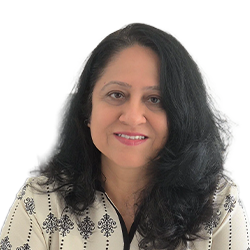
Dr. Deepa Arora- CEO- CLINEXEL (https://www.linkedin.com/in/deepaarora2019/)
Dr Deepa is a physician with 25+ years of industry experience in leadership positions with pharma in Clinical Development, Medical Research, and Drug Safety departments.
Dr. Deepa led an industry consortium for the implementation of additional risk minimization measures in Europe. Her experience includes the development and execution of clinical development strategy and conducting clinical trials for NCEs, biosimilars, vaccines, complex generics, and repurposed drugs.
Deepa has experience in interacting with various regulators- USFDA, EMA, MHRA, MEB, Health Canada, WHO, TGA for scientific advice, pre-IND meetings, end of phase meetings to discuss clinical development path, clinical trial designs, and post-marketing commitments, including PMS/ Phase IV studies and paediatric investigation plan (PIP).
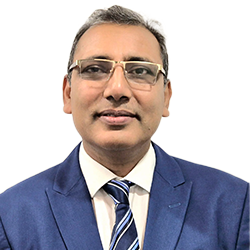
Dr. Mukesh Kumar– Chief Scientific Officer- CLINEXEL (https://www.linkedin.com/in/dr-mukesh-kumar-m-d-6223457/)
A Physician (MD) with over 25 years of deep expertise in clinical R&D, Dr Kumar’s career is a testament to innovation and excellence in clinical trials, clinical pharmacology, translational research, biopharmaceutics, and clinical development. His contributions have driven global product registrations across regulatory landscapes, including the USFDA, EMA, India, PMDA, and ROW regions.
Dr. Kumar’s illustrious career includes clinical R&D leadership roles at global pharmaceutical giants (Sanofi and Daiichi Sankyo) and large Indian pharma companies (CIPLA, DRL, and LUPIN), where he supported early and late phase clinical trials of innovative products, including repurposed drugs via 505(b)(2) path, complex generics, and biosimilars. He has played a key role in transforming the R&D business through clinical risk mitigation strategies and high-quality clinical trial executions. With a proven track record of significant contributions in clinical development of over 100 successful product registrations in the U.S. and Europe, he has redefined efficiencies in clinical strategies by implementing cost-effective, innovative clinical trials and pharmacology studies.
As CLINEXEL’s CSO, Dr. Kumar oversees clinical trial operations (Phases I-IV) and clinical program management. His value-added support is available for CLINEXEL-managed clinical trials in optimizing clinical strategies, global clinical development, and driving impactful scientific negotiations for innovative therapies, biosimilars, and complex generics.